OFX have partnered with MoneyWeek, the UK’s best-selling financial magazine, to explore the future of global trade. Here we look at how the modern era of globalisation occurred, and how the current trading landscape is evolving. Download the full report here.
While talk of trade wars in the US and China, and discussions over the single market and the customs union in the never-ending Brexit saga may leave many disheartened at the future of global trade, it may not necessarily spell its end. At least, according to Dominic Frisby in the Future of Global Trade report. In fact, the future of global trade could very well experience a massive boom, thanks in part to the rise of technology that allows more fluid global movement.
An overall shift in global consciousness has taken place since the mid 1990’s. Now, the investment in intangibles is taking place of investment in physical assets. Intangibles like software companies, brands, intellectual property, operating systems, unique supply chains, and money itself are more valuable these days than any physical item.
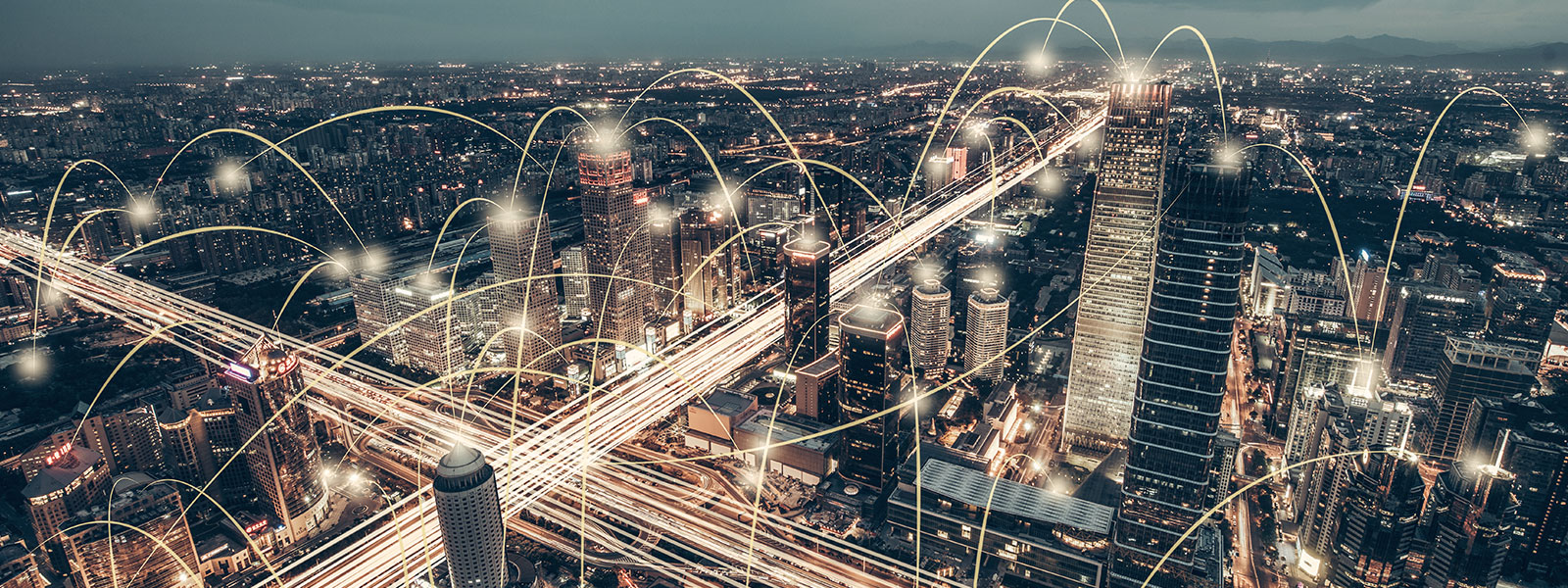
The future of trade in new means of transport
The most obvious example of this shift is the rise in new means of transport. Whether that be self-driving cars, larger, faster shipping containers, drones and other speedy airborne vehicles. It’s likely that at the rate we’re innovating today that the next five years will see technology transport people and goods around the world at speeds not known.
Frisby adds, “you might turn around to me and say that it doesn’t matter how fast you can travel, or how much merchandise you can transport, a trade barrier is a trade barrier.” And while this statement may be accurate for the present state of global trade, it fails, as Frisby points out, to acknowledge the intangible and borderless influence of the internet, which may see the biggest boom of all.
How the internet of things will influence trade
Like the move from clunky email services to smartphones and Google everything, vast swathes of the population are appearing online. Translating to billions of new people to communicate with, outsource jobs, sell products to, and buy from.
All this, argues Frisby, means that a boom in global trade is inevitable in the sheer numbers alone. “Governments cannot legislate against the fast-moving intangible trade of digital goods and services across the internet in the way that they can the transportation of physical goods and labour.” Meaning that in the event that a major shift to protectionism occurs (which is speculated at the point), it’s likely there will still be an overall boom in trade.
Get in touch: Reach out today to learn more about how OFX can help you with your money transfer needs.

The future of trade is intangible
One of the most exciting parts of this potential for a future boom, according to Frisby, is the scalability of it in this new era of tech. Economies in the past and present have been largely dependent on the production and consumption of physical things, like cars, agriculture and even gold. But it’s evident with the current slowing of the major industries like auto, electronics and even housing that the world of intangibles will overtake.
The digital economy means that companies built around the intangibles are not restricted by the same barriers that companies selling physical assets face. Wanting to sell a million or billion items of a physical product faces a huge logistical barrier that uploading an app to the app store to be downloaded billions of times simply doesn’t.
The biggest enabler of the ‘internet of things’ era is the development of 5G which, with it’s faster connection speeds, is likely to bring us closer still. Leaning into an age of interconnectedness that breaks down barriers, physical and intangible alike.
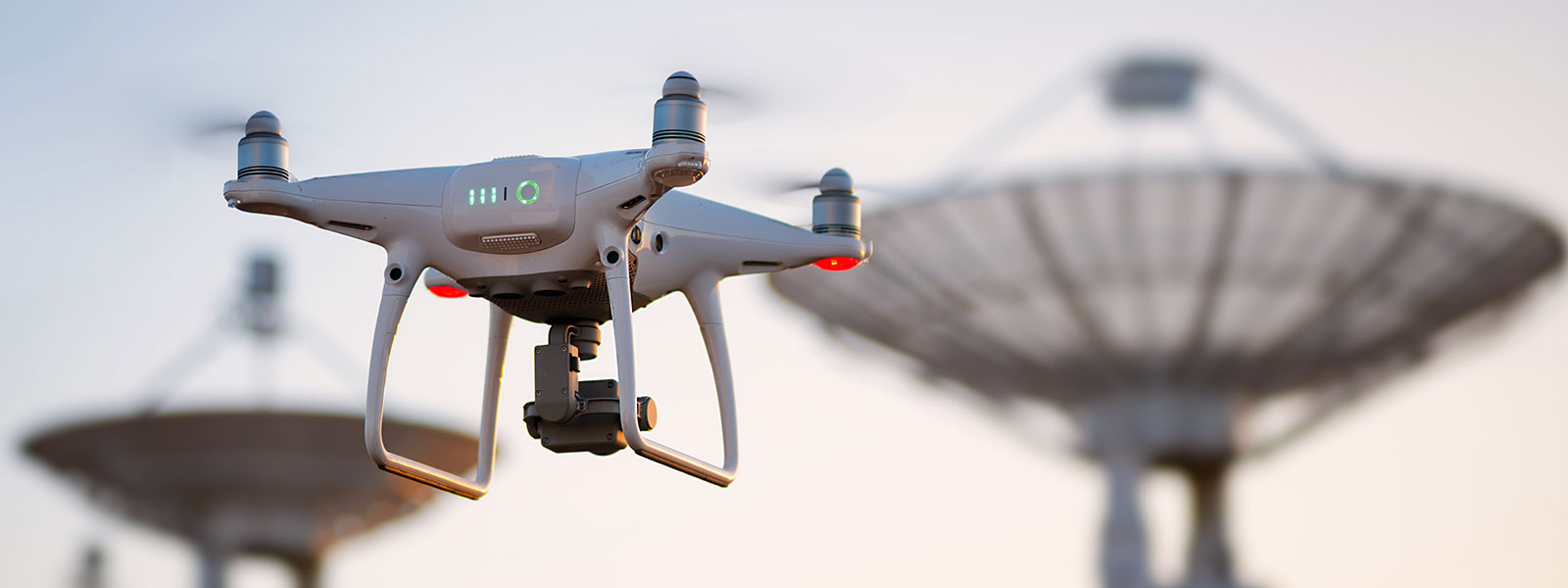
Trade and the changing world of work
According to Ernst and Young, half of the world’s workforce will be freelance by 2030. More likely than not, this work will take place in the new intangible economy. And realistically, there’s not much that can be regulated or tariffed in this economy. The internet has proved hard to tax and hard to regulate, and any tough regulations that the government does try to impose may very well accelerate the adoption of cryptocurrencies and the like.
While it’s easy to fall into the trap of thinking that the current state of world politics could spell the end of global trade, it’s likely not the end of it as a whole.
More so, it’s likely the end of an era as we’ve known it for centuries passed. Instead, the new digital economy will demand the trade of goods and services as intangibles, delivered by new transportation types that are still in development as we speak. Hold on to your hats, we may well be headed for a global boom!
IMPORTANT: The contents of this blog do not constitute financial advice and are provided for general information purposes only without taking into account the investment objectives, financial situation and particular needs of any particular person. OzForex Limited (trading as OFX) and its affiliated entities make no recommendation as to the merits of any financial strategy or product referred to in the blog. OFX makes no warranty, express or implied, concerning the suitability, completeness, quality or exactness of the information and models provided in this blog.