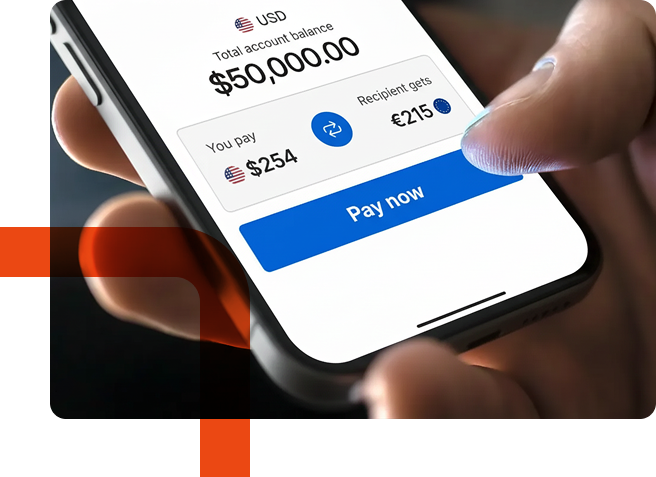
A simple guide to FX and the tools you can use to manage currency risk and plan international payments with confidence.
Making international payments exposes you to currency risk. Every transfer you make could be worth more or less by the time you settle, because foreign exchange markets move constantly. Managing that risk helps bring stability and confidence to your business planning and cash flow. FX risk management is about protecting your bottom line and reducing uncertainty around exchange rates, particularly when paying vendors, receiving revenue from customers abroad, or planning future international costs.
Hedging gives you tools to manage those currency swings so you can make decisions with more clarity and control.
Hedging in simple terms.
Hedging means taking action today to protect yourself from a future change in price. In FX that often means locking in a rate for a future transaction. Hedging helps you avoid painful surprises with rate changes and you may benefit if the market rate moves to your advantage.
Get started today. The saving lasts forever.
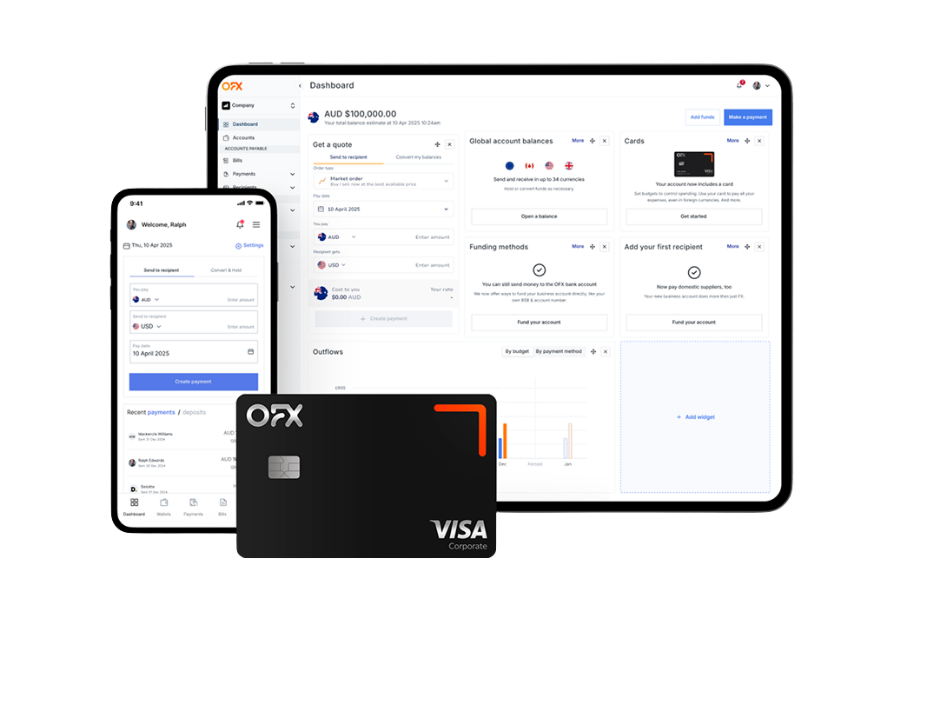
You have nothing to lose, and so much time and money to save. Your all-in-one automated platform is ready.
Why hedging matters.
Currency movements can have a real impact on costs, profit margins, and planning. Hedging helps reduce the uncertainty that comes with operating across borders.
Reduce surprises
Foreign exchange swings can take money out of your budget without warning. Hedging brings more predictability to your costs and helps protect your profits from currency fluctuations.
Plan with confidence
Knowing your rates ahead of time makes it easier to forecast, plan finances with confidence, and gain more visibility over your FX exposure.
Focus on growth
With currency risk managed, you and your team can focus on growing your business globally instead of watching markets.
By managing FX risk proactively, you create more stability in your financial planning. That stability gives you the confidence to focus less on exchange rates and more on running and growing your business.
Benefits of using the OFX Expense Policy Template.
Managing currency risk starts with having the right tools. FX tools are designed to help you control timing, rates, and outcomes so you can match your approach to how your business operates.
What it is- A Forward Contract lets you lock in a current exchange rate for a payment you’ll make in the future. You agree on the rate today and set the settlement date up to 12 months ahead.
Why use it- Locking in a rate brings certainty to your budgeting and cost planning. It is especially useful when you know you have a future payment in a foreign currency and you want to protect your margins.
How it fits in a plan- Forward Contracts are a foundation of currency risk management because they remove the uncertainty of whether the rate will be better or worse at the time you need to settle.
What it is- A Limit Order lets you set a target exchange rate that matters to you. Currency specialists will monitor the market for that rate up to a defined period and automatically execute your transfer when the rate is hit.
Why use it- Limit Orders are ideal if you do not need to convert immediately and you want to aim for a better rate without watching the markets all the time.
How it fits in a plan- Use Limit Orders when you have a rate in mind and want to automate execution so you do not miss your target. They can work well alongside Forward Contracts and other tools.
What it is- A Spot Transfer lets you move money at the current market rate and settle quickly. This is not a hedging tool on its own but it is important when you do not want to wait and want to take advantage of a favourable rate right now.
Why use it- Spot Transfers are ideal when you need to move money quickly at the current rate. They work well for urgent payments, one-off transactions, or when market conditions are favourable and you want to act immediately.
How it fits in a plan- Spot Transfers can be part of managing currency needs when timing matters and you want to balance long term plans with immediate needs.
Each solution serves a different purpose, and many businesses use a mix of them. Whether you want certainty, flexibility, or speed, the right combination can help you stay in control as markets move.
How to build a basic hedging plan.
A hedging strategy doesn’t need to be complex to be effective. What matters most is understanding your exposure and choosing tools that align with your cashflow and goals. A simple approach could include these steps:
- Understand your exposure- Look at the size and timing of your international payments or receipts. Knowing when and how much you will transact helps you decide which tools to use.
- Define your goals- Decide what outcome you want. Do you want certainty over your budget? Do you want to aim for a rate while still protecting yourself? Your goals will shape your hedging choices.
- Pick your tools- Choose from Forward Contracts, Limit Orders, or a combination that suits your risk tolerance, cashflow and timing. OFX specialists can give guidance on which tools fit your situation.
- Monitor and adjust- Currency markets move all the time. Checking in with your plan and staying aware of shifts helps you stay aligned with your business goals.
As your business grows and markets change, your approach can evolve too. Regularly reviewing your exposure and adjusting your tools helps keep your strategy relevant and effective over time.
You have nothing to lose, and so much time and money to save. Your all-in-one automated platform is ready.
Hedging support from OFX.
You do not have to figure this out on your own. OFX specialists are available to help you understand your currency exposure and build a hedging plan that makes sense for your business. Getting expert insight can make a real difference in how you use FX tools and manage risk.
*If you book a Forward Contract, it may mean losing out if the market rate improves because you’re contracted to settle at the agreed rate. Read more.
**If you book a Limit Order, it may mean losing out if the Market Rate continues to move above your Target Rate. There is no guarantee that your desired rate will be reached. Once the order is triggered, the transfer is binding and cannot be voided.