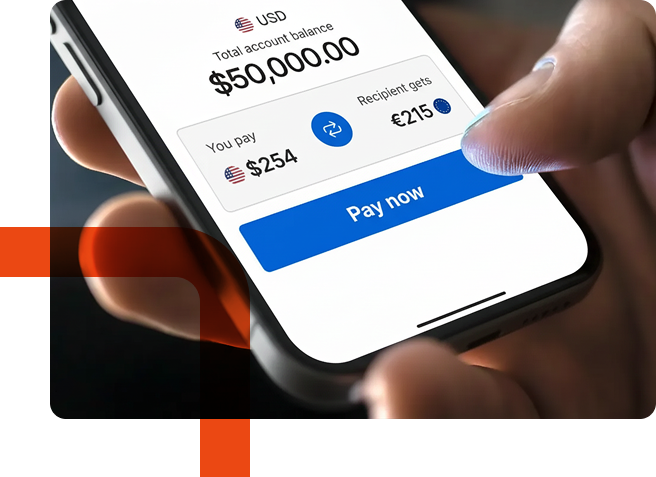
Paying international invoices should be straightforward. In reality, it can be a surprisingly complex and risk-laden part of modern finance operations.
Between raising a PO, invoice approval and settlement, businesses can be exposed to currency volatility, regulatory hurdles, processing delays, fraud risk, and poor financial visibility.
For teams managing global suppliers, contractors, or remote teams, these issues aren’t theoretical, they show up in margin erosion, delayed closes, and unnecessary operational friction.
This guide breaks down the real challenges behind international invoices and, more importantly, the practical steps finance leaders can take to turn cross-border payments into a controlled, strategic function
Ways to pay an international invoice.
When paying international invoices in the supplier’s local currency, it’s important to choose the best option for your business. Here’s a quick look at some traditional methods:
- Local currency account:
Many businesses use their bank for international transfers, but the fees can be high. For small businesses especially, these costs add up quickly. It’s worth exploring lower-cost alternatives, such as local accounts in the recipient’s country.
- Opening a foreign bank account:
If most of your payments come from one country, opening a foreign bank account could help reduce transfer fees. There may be ongoing account fees depending on your provider.
- Online payment services:
These services are easy to use, but often include extra fees and card charges, which can add up quickly.
- Credit cards:
Paying overseas suppliers by credit card is convenient and often used for small payments, but it can come with extra fees, less competitive exchange rates, and interest if payments are late. These costs can add up quickly, especially for large or frequent payments.
Things to consider when paying an international invoice. Is there a better way?
When paying overseas suppliers, modern payment solutions like OFX provide a more efficient alternative to traditional banking, helping businesses reduce costs, manage currency risk, and simplify operations.
Are hidden FX fees inflating your supplier payments?
Paying suppliers in their local currency helps avoid hidden conversion fees and ensures they receive the exact amount owed. With OFX multi-currency accounts, businesses can hold and manage multiple currencies in one place, making it easy to pay suppliers in US dollars (USD), euros (EUR), pounds (GBP), yuan (CNY), and more without unnecessary conversions.
Struggling to manage payments and FX without risking your margins?
OFX combines international payments with built-in FX tools, offering competitive, transparent exchange rates. Businesses can make spot payments when required or use Forward Contracts* to lock in exchange rates and protect margins from currency swings, giving greater certainty when paying international invoices.
Losing time and visibility managing international invoices across systems?
The OFX platform integrates with accounting and ERP systems to streamline reconciliation and reduce manual work. By unifying multi-currency accounts, payments, and FX management in one platform, finance teams gain real-time visibility, improved accuracy, and a faster, more controlled way to manage international invoices.
*If you book a Forward Contract, it may mean losing out if the market rate improves because you’re contracted to settle at the agreed rate. This means you benefit if the market rate worsens, but you lose out if the market rate improves.
Strategic opportunities for international payments.
Modern financial infrastructure is transforming how global payments are managed. Instead of relying on multiple banking portals and manual spreadsheets, having a digital platform like OFX means everything is integrated. You’ll find FX management, payments, and reconciliation all in one place. This shift allows finance leaders to move from reactive payment processing to proactive financial control, with clearer visibility and faster decision-making.
Unifying international payments on a single platform gives finance teams a unified view of global cash flow and real-time insight into:
- Outstanding invoices.
- FX exposure.
- Consistent approval workflows.
- Governance.
Automation and compliance are further strengthened through data integration with accounting and ERP systems, enabling faster, more accurate reconciliation. This, in turn, reduces team admin. Automated AML and KYC checks, along with detailed audit trails, help businesses meet regulatory requirements. At the same time, faster payments in local currencies improve the vendor experience, strengthening global supplier relationships and trust.
Five practical steps to optimize international payments.
Managing international invoices isn’t just about paying on time. It’s about paying efficiently, cost-effectively and compliantly.
1. Use a multi-currency business account.
A multi-currency account allows you to hold, send and receive funds in different currencies without converting every transaction. This reduces FX costs and speeds up payments.
For example, a UK business paying a US supplier can hold USD and pay directly, avoiding repeated conversions – and relevant conversion costs. You can also convert at favorable exchange rates. Holding multiple currencies gives finance leaders greater predictability and control.
2. Automate payment processes.
Manual tracking leads to errors and delays — especially across borders.
Automation streamlines workflows, reduces risk and frees finance teams for higher-value work. Scheduled payments for overseas contractors or suppliers ensure consistency, while rules-based payments allow businesses to act when FX rates are favorable.
3. Optimize FX strategies.
Ad hoc currency conversions and retail bank rates create hidden costs.
Tools like Forward Contracts allow businesses to lock in exchange rates for future payments. If you know you’ll need to pay USD invoices in three months, securing today’s rate protects you from market swings and ensures you know exactly what you’re paying.
4. Take compliance and documentation seriously.
Correct documentation prevents delays and enables audit readiness.
Ensure invoices include required tax IDs, payment terms and clear descriptions. Digital storage and consistent formatting improve audit readiness and document retention in the event of a dispute. Automation helps enforce these standards at scale.
5. Unlock real-time visibility.
A central dashboard showing payment status, currency exposure and reconciliation progress can help to transform cash flow management.
AI-driven insights can flag anomalies, identify optimization opportunities and remove the need for manual checking and re-checking, giving finance leaders confidence and control.
For example:
A British design studio working with global manufacturers and freelancers struggled with fragmented banking systems, FX uncertainty and admin due to manually reconciling international costs. By adopting a unified payments platform with a multi-currency account, the business reduced FX costs, improved visibility and reclaimed hours of admin time.
A US tech startup with a global remote workforce faced similar challenges. Unifying payments and automating FX management allowed the finance team to protect margins, pay contractors locally and scale operations without increasing headcount.
Turn international payments into a strategic advantage.
International invoicing doesn’t have to be a source of complexity, cost, and risk. As global operations become the norm, finance leaders have an opportunity to move beyond fragmented processes and outdated banking methods. Instead, looking forward to a more controlled, strategic approach to cross-border payments.
By unifying payment management on a single platform, financial leaders gain clearer governance, stronger controls, and full visibility across currencies, suppliers, and regions. Competitive and transparent FX rates help reduce conversion costs and protect margins from volatility. Real-time dashboards, alerts, and tracking enable proactive cash flow management, while automation and integration eliminate manual work and improve accuracy.
With expert FX guidance, market insights, and purpose-built tools, platforms like OFX empower finance teams to manage international payments with confidence. The result is not just faster or cheaper payments. It provides a smarter, integrated and more resilient global finance operation.
Choose a modern solution that supports growth, strengthens supplier relationships, and gives finance leaders the clarity they need to lead in an increasingly borderless economy.